Why good branding is more than just a logo: discover how strategy, visual identity, messaging build trust, recognition, and a stronger brand.
A logo is often the first thing people think of when they hear the word branding. But a logo is only one small part of a much bigger system.
Good branding is about how a business looks, sounds, feels, and behaves — and, most importantly, how people remember it. A strong brand creates a recognizable identity that remains consistent across a website, packaging, social media, advertising, presentations, and every interaction with a customer.
In other words, a logo identifies your business. Branding gives people a reason to remember it.
1. A Logo Is a Starting Point, Not the Brand
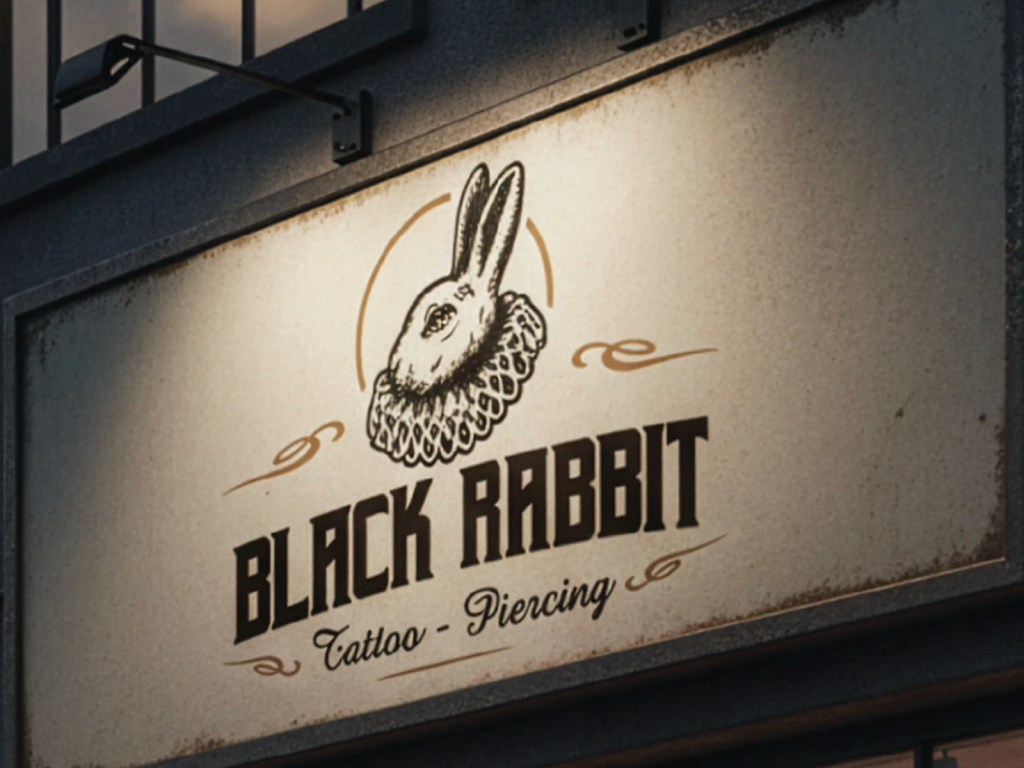
A logo has an important job: it provides a visual symbol that represents a company. But by itself, it cannot communicate everything about a business.
Imagine seeing a simple black wordmark with no context. It might belong to a technology company, a fashion brand, a consulting firm, or a restaurant. The logo alone doesn’t tell the whole story.
Branding adds that context through:
- Color palettes
- Typography
- Photography and illustration style
- Graphic elements
- Packaging
- Tone of voice
- Messaging
- Layout and composition
- Digital experiences
- Brand guidelines
Together, these elements create a visual and verbal language that makes a company recognizable.
This is why two businesses can have equally professional logos but completely different levels of brand recognition.

2. Branding Shapes Perception
People rarely evaluate a business purely rationally.
Before reading your services page, comparing your prices, or talking to your team, potential customers have already formed an impression based on what they see.
Is the brand modern or outdated?
Premium or affordable?
Professional or casual?
Innovative or traditional?
Trustworthy or unreliable?
These judgments can happen within seconds.
Good branding deliberately shapes those first impressions instead of leaving them to chance.
For example, a healthcare brand may need to communicate trust, expertise, and care. A technology startup might want to appear innovative, energetic, and forward-thinking. A premium cosmetics company may focus on sophistication, craftsmanship, and exclusivity.
The same design principles do not work equally well for every business because branding should reflect positioning, not just aesthetics.
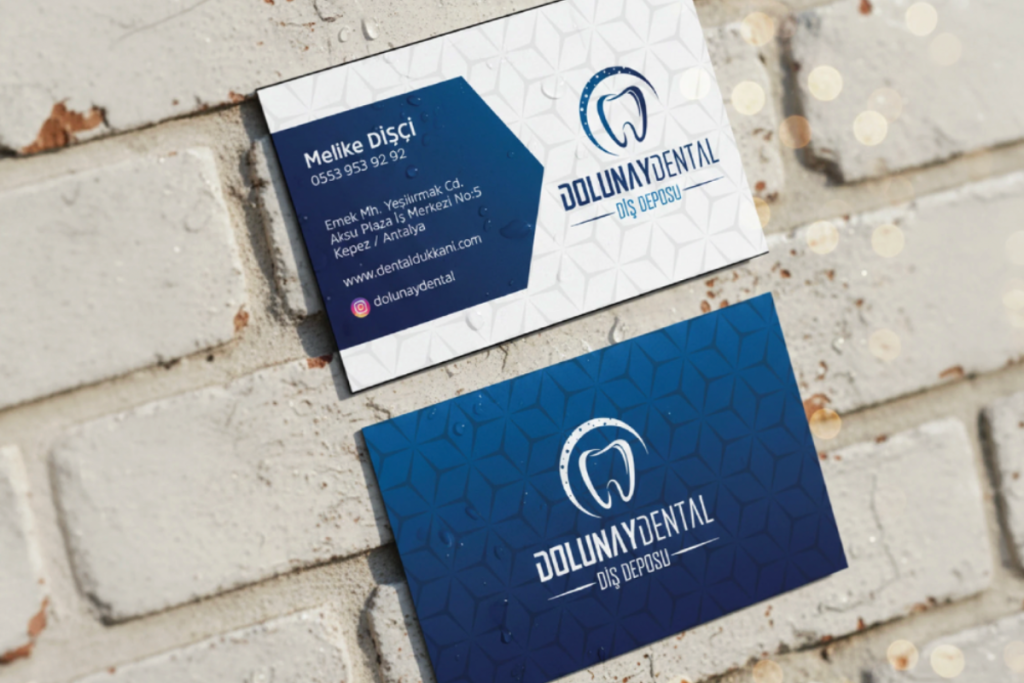
3. Consistency Builds Recognition
One of the biggest advantages of strong branding is consistency.
A customer might discover your company through Instagram, visit your website a week later, see your packaging in a store, and eventually receive an email from your team.
If every touchpoint looks and sounds different, the business can feel fragmented.
But when the same visual language and messaging appear everywhere, recognition becomes much easier.
Think of branding as a system rather than a collection of individual designs. Your website should feel like the same brand as your social media. Your packaging should feel connected to your advertising. Your presentation should feel like the same company as your physical space.
Consistency doesn’t mean making everything identical. It means making everything belong to the same brand.

4. Strong Branding Creates Trust
People tend to trust businesses that appear intentional and professional.
This doesn’t mean that attractive design automatically makes a company trustworthy. Instead, thoughtful branding signals that the business understands its audience and pays attention to details.
A consistent identity can make a company feel more established, even when it is relatively young.
This is particularly important in competitive industries where customers have many alternatives.
When several companies offer similar products or services, branding can become one of the factors that helps people decide who feels right for them.
Good branding reduces uncertainty. It tells customers what kind of experience they can expect before they buy.

5. Branding Is About Strategy, Not Decoration
One of the most common misconceptions is that branding is simply about making a business “look better.”
Design matters, but effective branding starts much earlier.
Before choosing colors or creating a logo, a brand needs answers to strategic questions:
Who are we?
Who are we trying to reach?
What makes us different?
What do we want to be known for?
Why should customers choose us instead of competitors?
What personality should the brand have?
These answers influence every creative decision that follows.
A bold visual identity might be perfect for one company and completely wrong for another. A minimalist identity can communicate sophistication in one context but feel cold and generic in another.
The goal isn’t to create something that simply looks good. The goal is to create something that means something to the right audience.
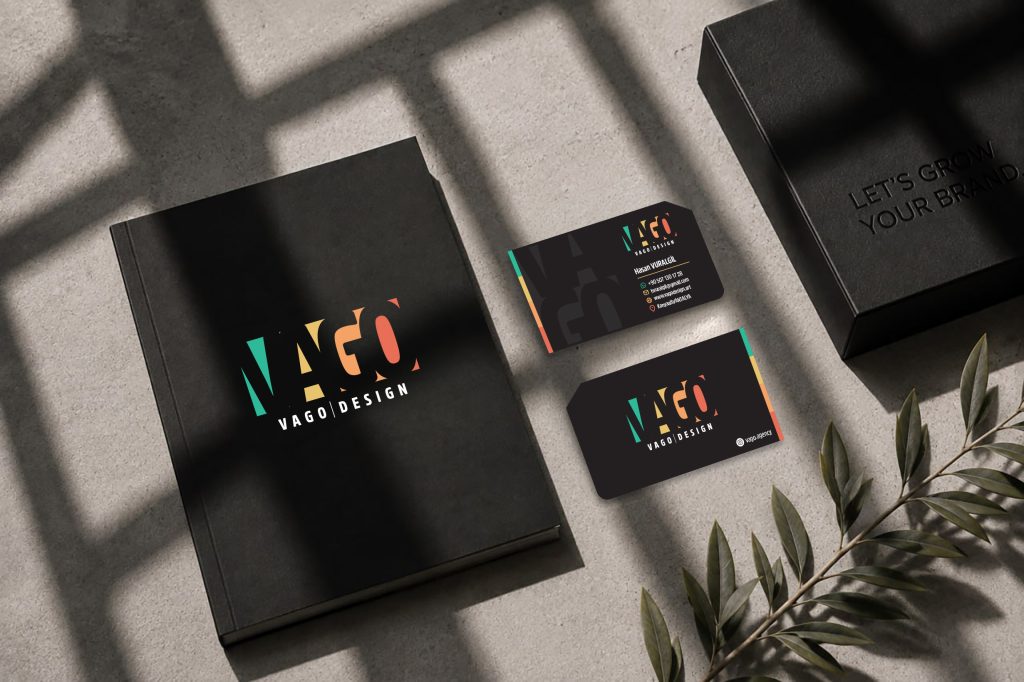
6. Branding Helps Businesses Stand Out
Most industries are crowded.
There are thousands of companies offering similar products, services, and promises. Simply saying that you are “high quality,” “customer-focused,” or “innovative” is rarely enough.
Your brand needs a recognizable point of view.
That might come from a distinctive visual identity, a unique tone of voice, a memorable customer experience, or a clear positioning strategy.
Consider the difference between a company that says:
“We provide high-quality professional services.”
and one that has a clear personality, recognizable identity, specific positioning, and a consistent message across every channel.
The second company is easier to remember.
And being remembered is a competitive advantage.

7. Every Touchpoint Is Part of the Brand
Branding doesn’t stop when the logo is approved. It continues through every interaction between a company and its audience.
A brand can be experienced through:
- A website
- Social media
- Packaging
- Business cards
- Advertising
- Email communication
- Presentations
- Retail spaces
- Product interfaces
- Customer service
- Sales conversations
- Printed materials
This is why branding should be designed as an ecosystem.
A beautiful logo cannot compensate for a confusing website or inconsistent communication. Likewise, a strong visual identity can lose its impact if customers receive an entirely different experience after making contact with the company.
The brand is the sum of these experiences.
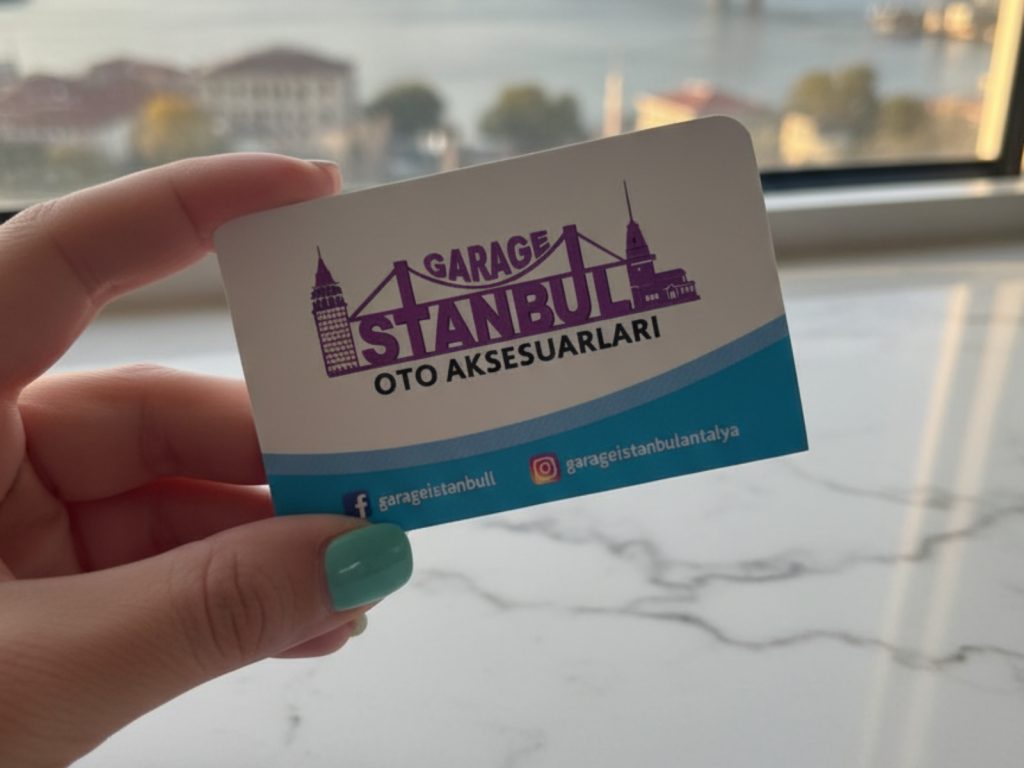
8. Good Branding Can Grow With the Business
A strong identity should not only work today. It should have enough flexibility to support tomorrow’s growth.
A business might start with one product and eventually expand into several categories. It might enter new markets, launch new services, redesign its website, or move into physical retail.
If the identity is too narrow or dependent on a single visual trend, the brand may quickly become difficult to adapt.
Strategic branding creates a framework that can evolve without losing recognition.
That’s why professional identity systems often include rules for typography, colors, imagery, layouts, graphic elements, and applications — not just a collection of logo files.

9. Branding Creates Value Beyond Visuals
The real value of branding is not measured by how impressive a logo looks in a presentation.
It is measured by what the brand helps the business achieve.
Strong branding can help a company:
- Become easier to recognize
- Communicate its positioning
- Build credibility
- Differentiate from competitors
- Create a consistent customer experience
- Attract the right audience
- Support premium positioning
- Make marketing more efficient
- Build long-term brand equity
Branding doesn’t replace a good product or service. It amplifies them.
A great product with poor communication can remain invisible. A strong brand makes it easier for people to understand why that product matters.

So, What Does Good Branding Actually Include?
A complete branding project may involve much more than logo design.
Depending on the business, it can include:
Brand Strategy — positioning, audience, values, personality, differentiation and messaging.
Visual Identity — logo, typography, colors, imagery, graphic elements and layouts.
Verbal Identity — tone of voice, key messages, taglines and communication principles.
Brand Applications — packaging, stationery, social media, advertising, presentations, websites and other touchpoints.
Brand Guidelines — a clear system that helps the team maintain consistency as the business grows.
The exact combination depends on the company’s goals, audience, industry, and stage of development.
Before you move on
A logo is something people can see.
A brand is something people recognize, understand, experience, and remember.
That’s why good branding goes far beyond creating a beautiful symbol. It connects strategy with design and turns a business into a coherent experience.
The strongest brands don’t simply look different.
They feel different.
And that difference is what makes them memorable.
At VAGO Agency, We Build Brands, Not Just Logos
We combine strategy, design, and marketing to create brand identities that work across real-world touchpoints — from packaging and print to digital products, websites, and social media.
Because your brand deserves to be more than a logo.
Leave a Reply