
Before customers purchase a product, book a service, or contact a business, they often form an opinion based on what they see. A website, social media profile, advertisement, product package, or business card can all influence how a brand is perceived.
Brand design is much more than creating an attractive logo or choosing a color palette.

7 Ways to Use Brand Design to Increase Sales
Let’s discuss how right brand design can help you to grow your business.
1. Turn First Impressions into Customer Trust
Imagine a customer comparing two companies that offer similar products or services. Both may have competitive prices and comparable quality, but one has a professional website, consistent branding, and polished marketing materials, while the other looks outdated and disorganized.
Which business is more likely to inspire confidence?
A professional visual identity helps communicate reliability, attention to detail, and credibility. While good design alone cannot guarantee trust, an inconsistent or poorly executed brand presentation can create unnecessary doubts.
To make a stronger first impression, pay attention to:
- A recognizable and well-designed logo.
- Consistent colors and typography.
- High-quality photography and graphics.
- Clear and professional website layouts.
- Cohesive marketing materials across different platforms.
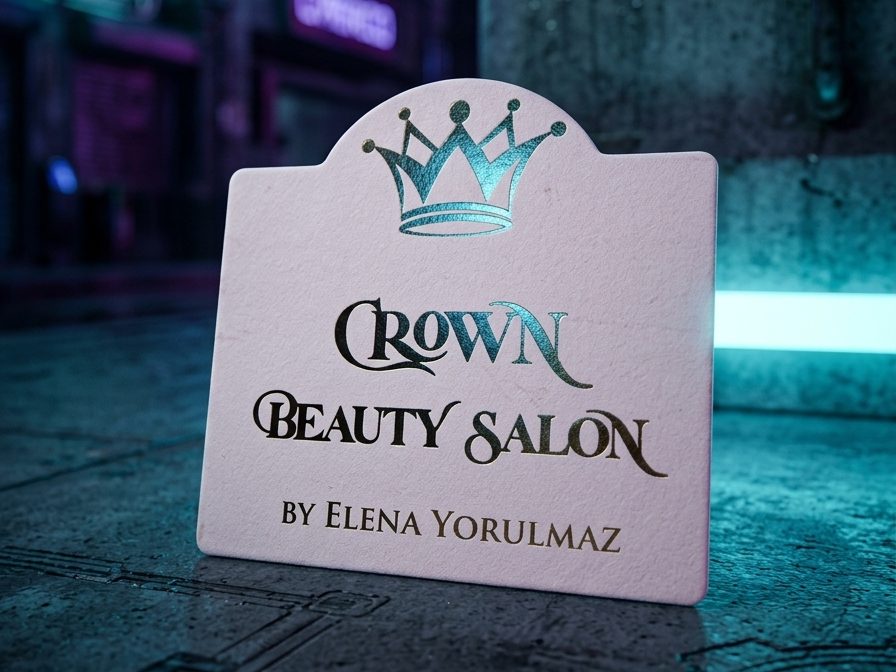
2. Differentiate Your Brand from Competitors
A distinctive visual identity helps customers recognize your business and remember it. It also communicates what makes your company unique.
For example:
- A law firm may use clean layouts, sophisticated typography, and a restrained color palette to communicate professionalism.
- A creative agency might choose bold graphics and expressive colors to reflect innovation.
- An organic food brand could use natural tones and simple illustrations to emphasize its approach to quality and sustainability.
The goal is not to follow every design trend or simply look different. Your visual identity should communicate your positioning and appeal to the people you want to reach.
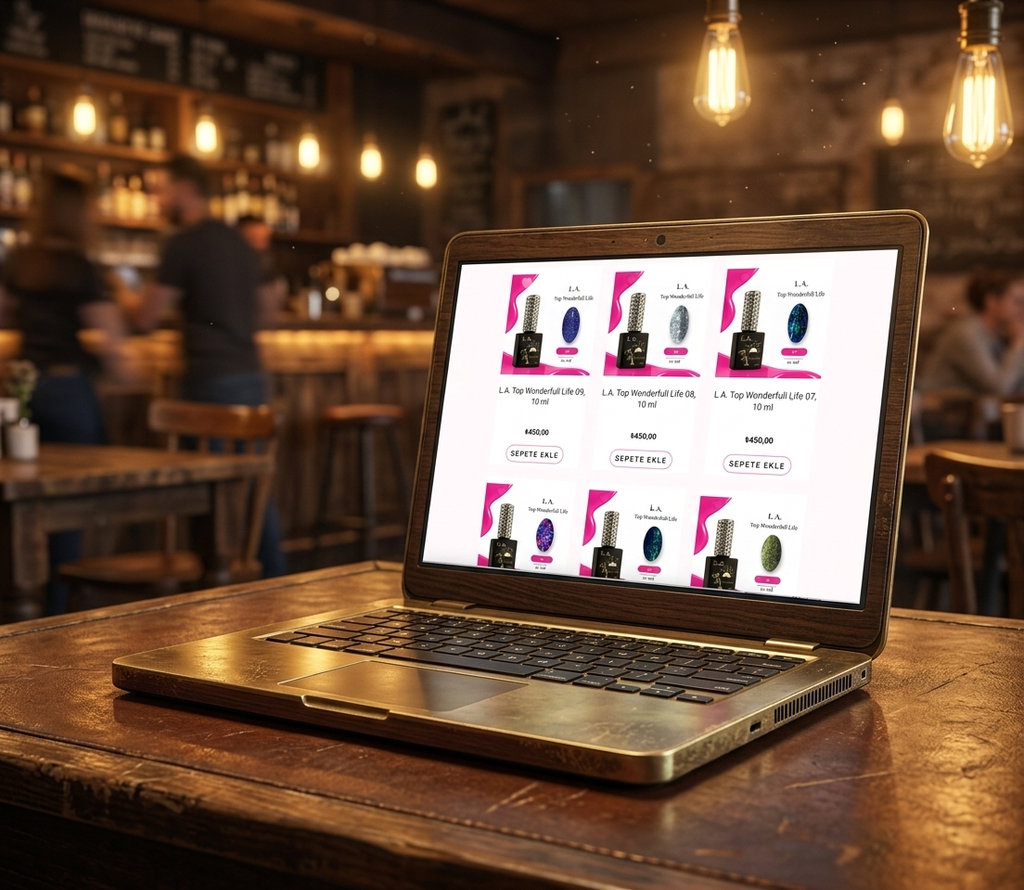
3. Use Colors and Typography to Shape Brand Perception
Colors and typography are among the most recognizable elements of visual branding. They influence how people interpret a company’s personality and message.
Certain color combinations may communicate energy, sophistication, calmness, or creativity. Typography also contributes to brand perception: a geometric sans-serif font can create a modern impression, while an elegant serif typeface may communicate tradition or sophistication.
Before developing a color palette and typography system, consider:
- Your target audience and its expectations.
- Your industry and competitive environment.
- Your brand personality and positioning.
- The visual identities of competing businesses.
- How the design will work across digital and print formats.
Consistency is equally important. Your website, social media graphics, advertisements, and printed materials should all use a recognizable visual language.
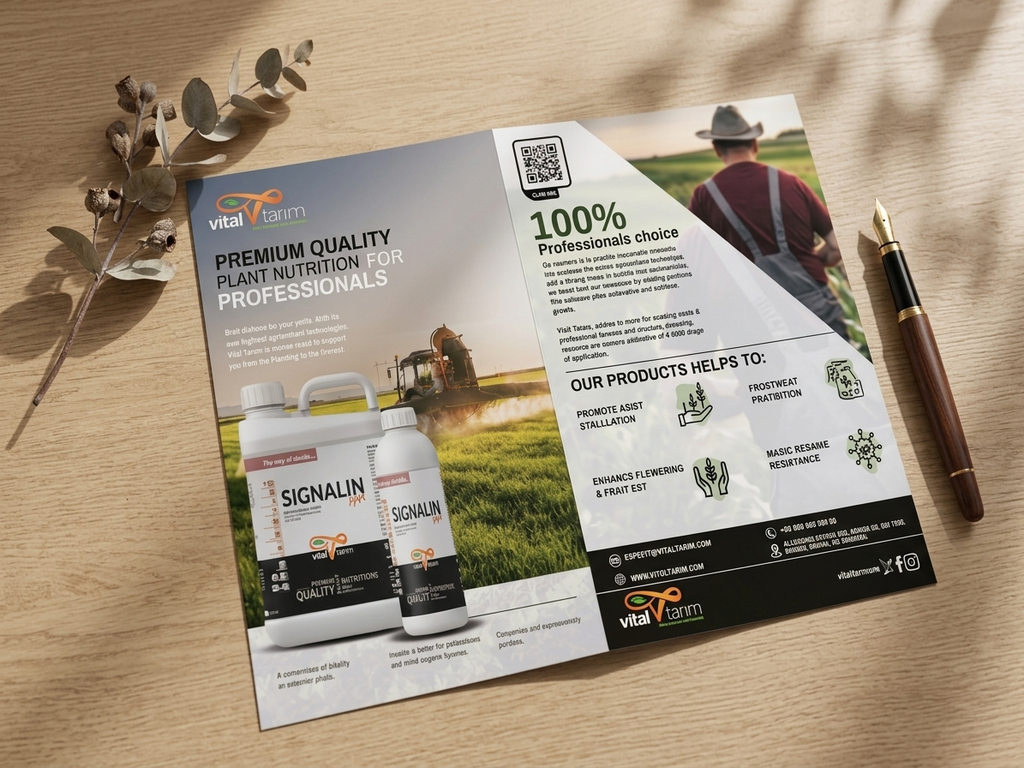
4. Build a Consistent Brand Experience
If your social media looks completely different from your website, or your printed materials use unrelated visual elements, customers may struggle to develop a clear impression of your business.
A consistent brand identity should extend across:
- Website and mobile interfaces.
- Social media profiles and content.
- Digital advertising campaigns.
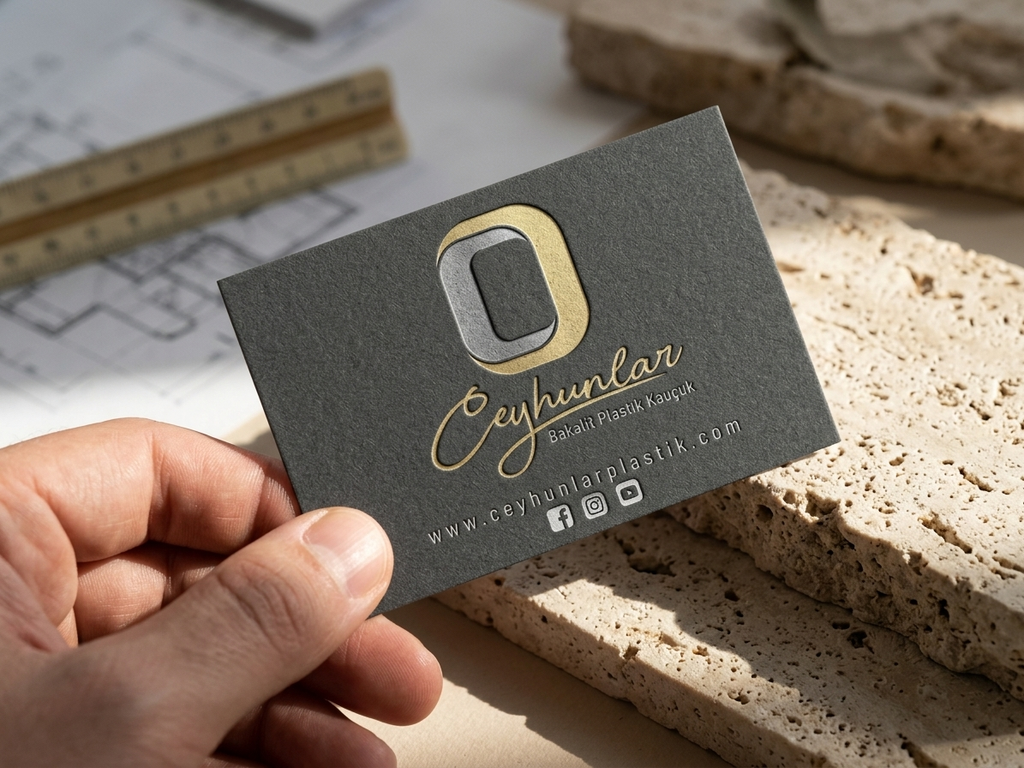
- Business cards and corporate stationery.
- Brochures, catalogs, and flyers.
- Outdoor signs and storefront graphics.
- Product packaging.
Consistency does not mean every design must look identical. It means maintaining recognizable brand elements while adapting them to different formats and communication needs.
5. Turn Packaging and Printed Materials into Sales Tools
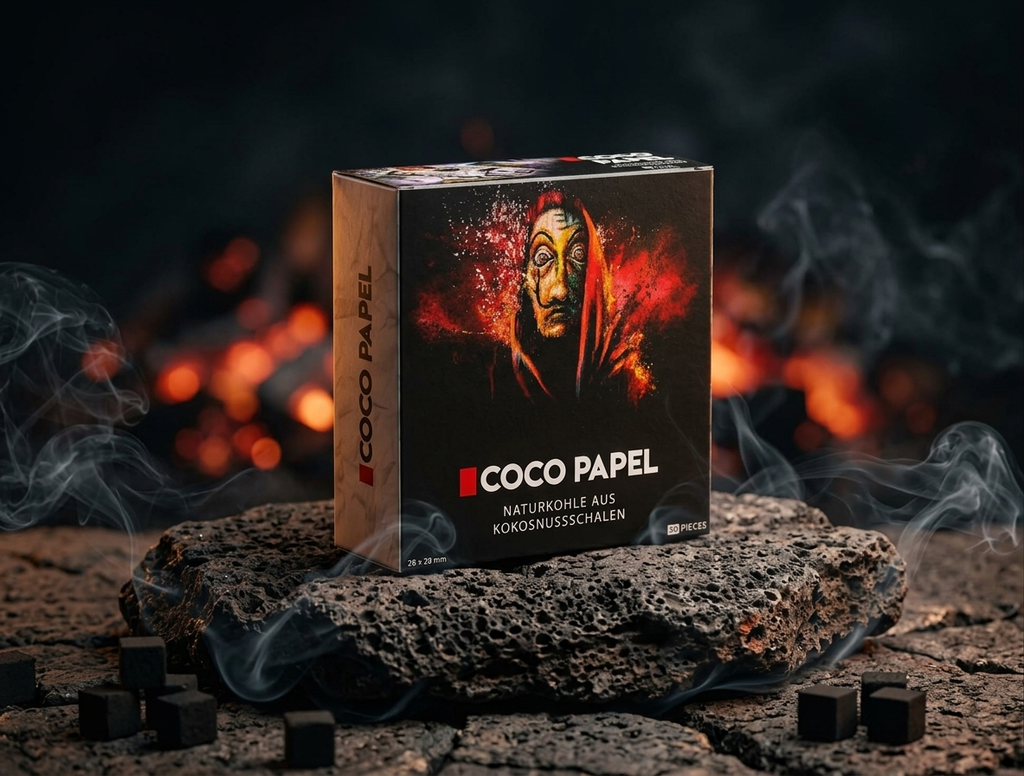
Brand design is not limited to the digital world. For businesses selling physical products, packaging is an important part of the customer experience. It is often the first physical interaction a buyer has with a product.
On a crowded retail shelf, packaging can help a product attract attention, communicate its benefits, and distinguish it from competing options.
Effective packaging design should:
- Make the product easy to identify.
- Present important information clearly.
- Reflect the brand’s positioning and personality.
- Create a recognizable appearance.
- Support a positive customer experience.
The same principle applies to printed marketing materials.
A restaurant menu, for example, is more than a list of dishes and prices. Its layout, typography, photography, and information hierarchy influence how customers navigate their options.
A well-designed menu makes information easier to understand and helps create a more professional dining experience. Business cards, brochures, catalogs, and promotional materials should also be treated as part of your overall brand strategy rather than isolated design projects.
6. Design Your Website to Support Conversions
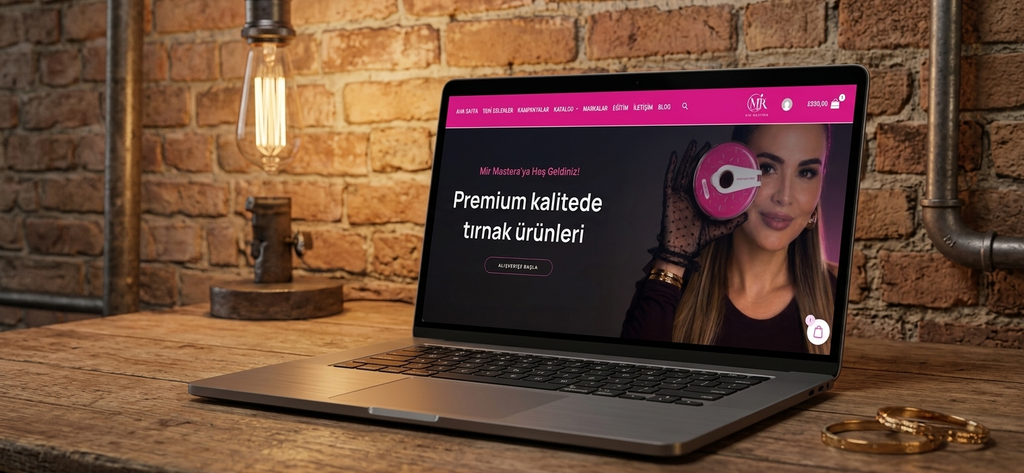
Your website is often one of the most important touchpoints in the customer journey. An attractive website does not automatically generate sales. Its design must also help visitors find information, understand your offer, and take the next step.
A conversion-focused website combines visual appeal with usability and clear communication.
Here are several essential elements:
A clear value proposition
Visitors should understand what your business offers, who it serves, and why they should choose you within seconds of landing on your website.
Simple navigation
Organize your content so users can easily find products, services, pricing, and contact information.
Strong visual hierarchy
Use headings, images, spacing, and typography to guide visitors toward the most important information.
Visible calls to action
Buttons such as “Get a Quote,” “Book an Appointment,” “Contact Us,” or “Shop Now” should be easy to find and understand.
Mobile-friendly design
Your website should provide a smooth experience across smartphones, tablets, and desktop devices.
Trust-building elements
Customer testimonials, reviews, case studies, certifications, and clear contact information can help visitors feel more confident about choosing your business.

7. Measure the Impact of Your Brand Design
How can you determine whether your design decisions are actually helping your business?
Start by tracking relevant performance indicators:
- Website conversion rates.
- Contact form submissions and inquiries.
- Social media engagement.
- Advertising click-through rates.
- Brand awareness and recognition.
- Customer feedback.
- Repeat purchase rates.
For example, after redesigning your website, compare the number of inquiries and completed purchases before and after the changes.
You can also use A/B testing to compare different landing page layouts, headlines, images, and call-to-action buttons.
This approach helps businesses make design decisions based on real customer behavior rather than personal preferences alone.
Remember that sales performance depends on many factors, including pricing, product quality, customer service, and marketing strategy. Design is one important part of the bigger picture.

Great Design Is Part of a Strong Sales Strategy
Brand design is not about making a business look attractive. It is about creating a clear, recognizable, and consistent identity that communicates value and builds meaningful connections with customers.
From your logo and color palette to your website, packaging, and marketing materials, every design element contributes to how people experience your brand.
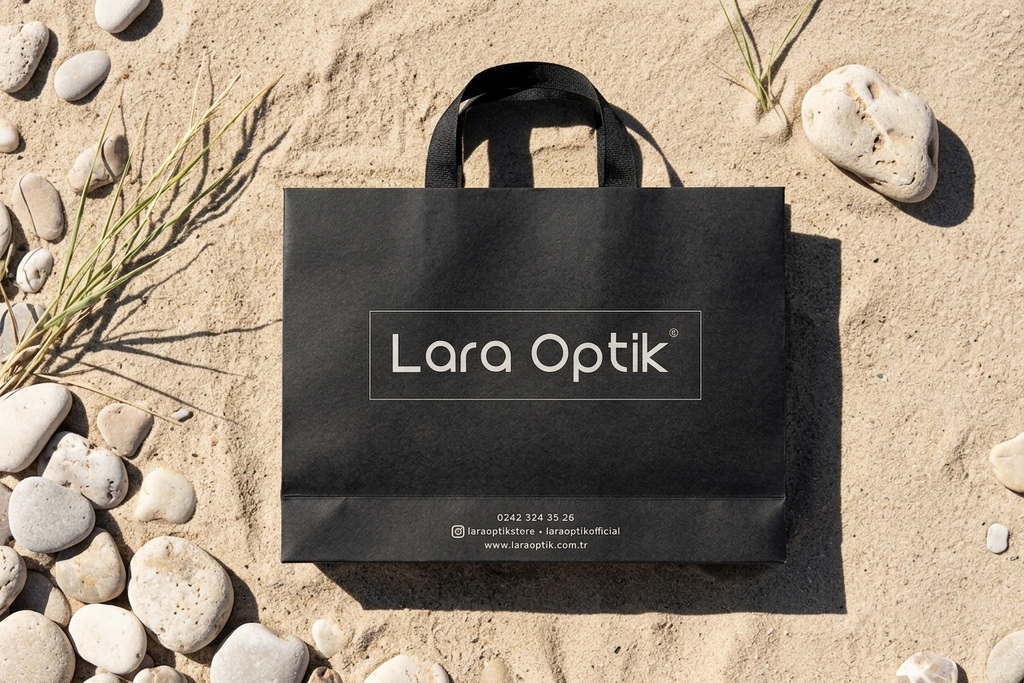
At VAGO Design Agency, we believe that great design should do more than look good. It should communicate your brand’s value, support your business goals, and create a consistent experience for your customers.
Whether you need a new visual identity, a professional website, or marketing materials that make your business stand out, we can help bring your brand vision to life.
VAGO Design Agency — Building stronger brands through thoughtful design.
Leave a Reply